For years, many manufacturers sourced plastic parts from wherever the piece price was lowest, even if that meant molds and production on the other side of the world. Then shipping delays, port backups, and sudden cost spikes exposed how fragile those long supply chains can be.
Regional injection molding offers a different approach. By keeping molds and production close to home, manufacturers gain more control over lead times, quality, and their own tooling. Here's how a regional molding partner reduces risk, and what to look for when you choose one.
Where Supply Chain Risk Hides in Injection Molding
Injection molding depends on a chain of steps that all have to go right: mold design and building, material sourcing, sampling, production, inspection, and shipping. When those steps are spread across distant suppliers, each handoff becomes a point of failure.
Long transit times: Ocean freight can add weeks between production and your dock.
Port and shipping disruptions: Congestion, carrier delays, and global events can strand finished parts.
Mold access: If your mold sits overseas, repairs, changes, or a supplier switch can become slow and complicated.
Quality surprises: Defects found after a long shipment mean scrap, delays, and expensive replacements.
Communication gaps: Time zones and distance slow down approvals and problem-solving.
How Regional Injection Molding Reduces That Risk
Shorter, More Predictable Lead Times
When your molder is a short drive away instead of an ocean away, finished parts can move from the press to your facility in days rather than weeks. Shorter transit means fewer things can go wrong in between, and more predictable delivery makes production planning easier.
Less Inventory Tied Up as a Buffer
Long lead times push manufacturers to carry extra safety stock just in case a shipment is late. With a regional partner, you can order closer to actual demand, which frees up cash and warehouse space while still protecting against shortages.
Your Molds Stay Within Reach
Your injection molds are some of the most valuable assets in your supply chain. When a regional partner builds and runs them, you can see them, inspect them, and get them repaired quickly. If you ever need to move production, retrieving tooling from a nearby shop is far simpler than recovering it from overseas.
Faster Mold Repair and Maintenance
Molds wear, and sometimes they break. A regional shop with in-house toolmakers can diagnose problems and repair tooling without shipping it anywhere. At Barton Tool, heliarc welding is used to repair tools and molds, with materials hardened back to the required specifications, which helps get production running again sooner.
Quicker Design Changes
Product designs evolve. When the team that built your mold is nearby, you can review engineering changes in person, cut them into the tool, and sample quickly. That agility helps you respond to customer requests and fix issues before they become costly.
Easier Quality Oversight
With a regional molder, you can visit the plant, review first articles, and resolve quality questions face to face. A documented quality system adds confidence. Barton Tool is certified to ISO 9001:2015, a widely recognized quality management standard built around documented processes and continuous improvement.
The Value of Tooling and Molding Under One Roof
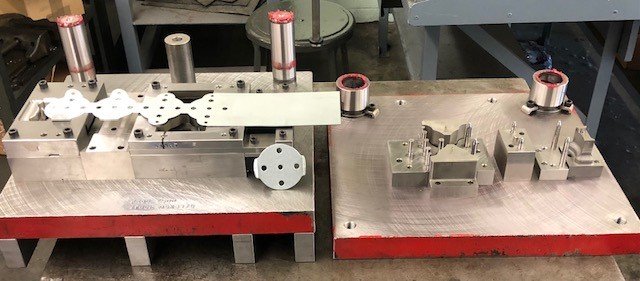
The lowest-risk setup is often a partner that builds the mold and runs the production. When mold design, mold building, sampling, and molding all happen in the same shop, there's no finger-pointing between a toolmaker and a molder when parts don't come out right.
Barton Tool Inc. has been building molds, dies, and special machinery since 1970. Our capabilities include:
Mold design and building: In-house engineering from prototype through production tooling.
Sample runs: In-house sampling to prove out a mold before production.
Plastic injection and insert molding: Production runs, plus guidance on selecting plastics that improve your product.
Secondary operations and assembly: Additional processes and component assembly to deliver more complete parts.
Tool and mold repair: Ongoing maintenance to keep your tooling in production. Learn more about our tool and die services.
Looking at Total Cost, Not Just Piece Price
An overseas quote may show a lower price per part, but the true cost includes freight, duties, inventory carrying costs, quality failures, travel for supplier audits, and the cost of delays. Organizations such as the Reshoring Initiative encourage manufacturers to compare suppliers on total cost of ownership. When those factors are counted, regional injection molding is often more competitive than the piece price suggests.
Questions to Ask a Regional Injection Molder
Do you build molds in-house? A shop that builds and repairs its own tooling can respond faster when problems come up.
Can you run samples before production? Sampling helps catch issues before you commit to volume.
What quality certifications do you hold? Ask how inspection is documented and shared with you.
Can you help with material selection? The right resin can improve performance and reduce cost.
What secondary operations do you offer? Assembly and other services can reduce the number of vendors you manage.
How do you handle mold maintenance and repairs? Know what happens when your tooling needs attention.
Partner with Barton Tool for Regional Injection Molding
From our 20,000-square-foot facility in Falconer, NY, Barton Tool serves manufacturers across Western New York and Northwestern Pennsylvania, including Erie County and the Warren, PA area. If you're looking to bring your molds and production closer to home, we can help you plan the move and keep your parts running.
Contact Barton Tool to talk with our team about your injection molding project, or learn more about our history.