How Injection Molding Tooling Is Designed, Built, and Maintained
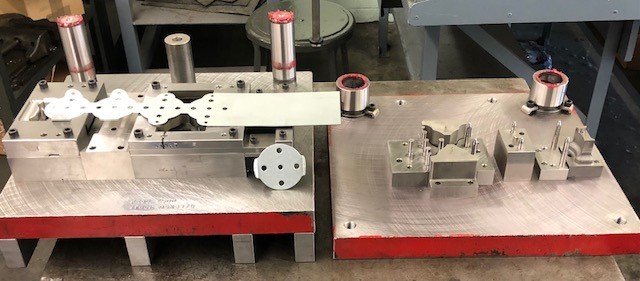
Injection molding is one of the most efficient and scalable methods for producing plastic parts, but the tooling behind it is often where projects succeed or fail. A well-designed mold can run for millions of cycles and deliver consistent, high-quality parts. A poorly designed one can cause defects, delays, and costly rework. Understanding how tooling is designed, built, and maintained gives manufacturers and product developers a significant advantage when planning a new project.
The Design Phase: Where It All Begins
Tooling design starts with a thorough review of the part geometry. Engineers analyze the 3D model for draft angles, wall thickness, undercuts, and potential problem areas, such as thin sections that could cause sink marks or warpage. Design for Manufacturability (DFM) reviews are conducted at this stage to identify features that could complicate molding or increase tool costs.
Once the part design is approved, engineers use CAD software to design the mold itself. This includes determining the number of cavities (how many parts the mold produces per cycle), the gate location (where plastic enters the cavity), and the runner system (the channels that carry molten plastic from the machine nozzle to the gate). Hot runner systems are often used for higher-volume production because they eliminate material waste from cold runners.
Cooling channel design is another critical element. Proper cooling keeps cycle times short and ensures uniform part quality. Many molds today incorporate conformal cooling channels that follow the contours of the part rather than run in straight lines. This approach improves cooling efficiency and reduces cycle times compared to conventional drilling.
The parting line, the seam where the two halves of the mold meet, must also be carefully chosen. A poor parting line decision can create visible witness lines on the part or complicate ejection. Ejector pins, lifters, and side actions are engineered to release the part from the mold without damage.
Building the Tool: From Steel to Finished Mold
Most injection molds are machined from hardened steel or aluminum, depending on the production volume and part complexity. Aluminum tooling is faster and less expensive to produce and works well for lower-volume runs or prototype stages. Hardened steel is the standard for high-volume production because it can withstand millions of cycles without significant wear.
The machining process involves a combination of CNC milling, EDM (electrical discharge machining), and grinding. CNC milling removes the bulk of the material, while EDM is used for fine details, sharp corners, and complex geometries that milling cannot achieve. Surface finishing, such as polishing or texturing, is applied to the mold cavity to achieve the desired cosmetic appearance of the molded part.
After machining, the mold undergoes a trial run, often called a T1 (first article inspection). The mold is mounted in a press, and test parts are shot to evaluate dimensional accuracy, surface quality, and process stability. Adjustments are made based on the results, which may include modifying gate sizes, adjusting cooling, or steel-safe tweaks to the cavity dimensions. Multiple trial runs are common before the tool is formally approved for production.
Tooling development timelines vary depending on complexity. Simple single-cavity tools may be completed in four to six weeks, while complex multi-cavity molds with tight tolerances can take three to six months or more. Working with an experienced partner helps manage these timelines effectively. Learn more about what to look for in our guide to choosing the right manufacturing partner for your project.
Maintaining the Tool: Protecting Your Investment
A well-built mold is a significant capital investment, and proper maintenance is what protects its value over time. Tooling maintenance falls into two categories: preventive and corrective.
Preventive maintenance is performed on a scheduled basis, typically after a set number of cycles. It involves cleaning the mold, inspecting vents and parting lines for wear, lubricating moving components, and checking water lines for buildup or blockages. Regular preventive maintenance catches small issues before they cause production problems.
Corrective maintenance addresses issues that arise during production, such as broken ejector pins, worn parting line surfaces, or damage to the cavity. A reputable mold shop keeps detailed records of all maintenance performed and tracks any dimensional changes throughout the tool's life. These records are valuable when troubleshooting recurring defects or planning future tool work.
Storage also plays a role in tool longevity. When a mold is not in production, it should be properly cleaned, coated with rust preventative, and stored in a controlled environment. Moisture, dust, and improper handling are common causes of premature tool wear.
What to Look for in a Tooling Partner
Not all tooling suppliers offer the same level of expertise or communication. When evaluating a partner, look for transparency during the quoting and design phase, a clear DFM process, and the ability to produce tooling in-house or through closely managed relationships. Ask about their tool validation process, how they handle engineering changes after T1, and what their maintenance program looks like for production tools.
The best tooling partners treat the mold as a long-term asset, not just a one-time deliverable. They document everything, communicate proactively, and stand behind their work if issues arise during production.
Injection mold tooling is a discipline that rewards attention to detail and experience. Understanding the design, build, and maintenance process helps you ask better questions, set realistic expectations, and ultimately get better parts at a lower long-term cost.