How to Choose the Right Manufacturing Partner for Your Project
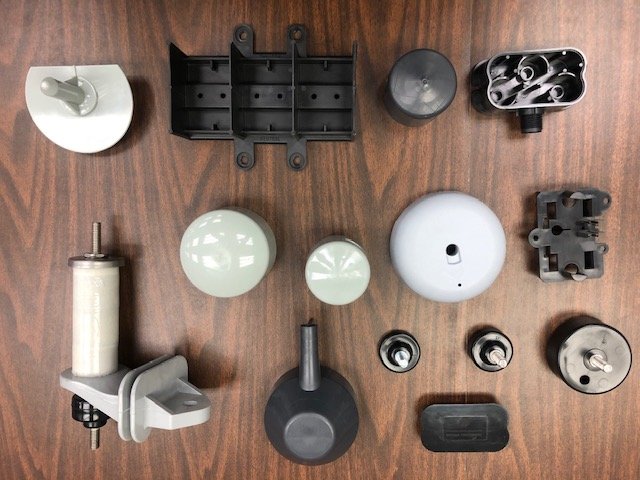
Choosing a manufacturing partner is one of the most consequential decisions in any product development cycle. The right partner can accelerate your timeline, improve your product quality, and help you avoid costly mistakes. The wrong one can cause delays, create quality problems, and damage customer relationships. Whether you are launching a new product or scaling an existing one, knowing what to look for makes the selection process far less intimidating.
Start with Capabilities, Not Just Price
It is tempting to prioritize price, especially early in a project when budgets are tight. But cost should be evaluated in context, not in isolation. A supplier quoting 20 percent below competitors may be cutting corners on quality systems, tooling standards, or engineering support. Those savings often disappear when you factor in rework, scrap, and delays.
Start by mapping your project requirements: material type, tolerances, surface finish requirements, production volume, and lead time expectations. Then evaluate whether a potential partner has direct experience producing similar parts. Ask to see examples of comparable work and request references from customers in your industry.
Pay attention to the equipment and processes they have in-house versus what they outsource. A partner who manages critical steps internally has more control over quality and schedule. A partner who subcontracts key processes introduces additional handoffs, potentially increasing risk and reducing accountability.
Evaluate Their Engineering Support
Strong manufacturing partners do more than run machines. They offer engineering expertise that adds value throughout the development process. Look for partners who provide Design for Manufacturability (DFM) feedback early in the engagement. A good DFM review can reduce tooling costs, shorten cycle times, and catch design issues before they become expensive problems in production.
Ask how they handle engineering change requests during the project. Changes are inevitable, and how a partner manages them tells you a great deal about their communication style and flexibility. Partners who have a clear, documented process for handling changes are far easier to work with than those who manage changes informally or inconsistently.
Also, ask whether they have dedicated project management. Complex manufacturing projects involve many moving parts, and having a single point of contact who owns the schedule and communicates proactively can save significant time and frustration.
Quality Systems and Certifications
Quality systems are the backbone of consistent manufacturing. When evaluating a partner, ask about their certifications and what those certifications mean in practice. ISO 9001 is a common baseline that demonstrates a documented quality management system. Depending on your industry, you may require additional certifications such as IATF 16949 for automotive or ISO 13485 for medical devices.
Certifications matter, but so does how quality is practiced day to day. Ask to tour the facility if possible. Look at how parts are inspected during and after production, how non-conformances are handled, and whether they maintain traceability through the production process. A partner with a strong quality culture will have clear answers to these questions without hesitation.
First Article Inspection (FAI) is another important quality milestone. A thorough FAI validates that the production process can deliver parts within specification before full production begins. Ask how they conduct FAIs and what documentation they provide.
Communication and Transparency
Technical capability is only part of the equation. How a partner communicates is equally important. During the quoting process, pay attention to how quickly they respond, how thoroughly they answer your questions, and whether they proactively identify potential challenges. These behaviors tend to reflect how the relationship will operate once production is underway.
Look for transparency around pricing, lead times, and capacity. A partner who gives vague answers or struggles to explain their pricing structure may create problems when you need accurate information to make business decisions. The best partners are direct about what they can and cannot do, and they flag potential issues before those issues affect your schedule.
For projects involving injection-molded components, it is also worth understanding your partner's tooling capabilities and how they manage mold maintenance over time. A well-maintained tool is essential to consistent part quality and long-term cost efficiency. For a deeper look at this topic, read our article on how injection molding tooling is designed, built, and maintained.
Scalability and Long-Term Fit
Your manufacturing needs will evolve as your product matures. A partner well-suited to your current volume may not be able to scale with you, and a partner focused on high-volume production may not have the flexibility needed during early development. When evaluating fit, consider where your project will be in 1 year and 3 years.
Ask about their capacity and lead times during peak periods. Understand how they prioritize customers when capacity is constrained. A partner who is transparent about these dynamics is far easier to plan around than one who overpromises and underdelivers.
Strong manufacturing partnerships are built on trust, and trust is built over time through consistent execution and open communication. Take the time to evaluate multiple partners, ask hard questions, and pay attention to how they engage with you before a contract is signed. The effort invested in the selection stage pays dividends throughout the project's life.
The right manufacturing partner is not just a vendor. They are an extension of your team, invested in your success, and capable of growing with your business.