Winter Weather and Manufacturing: Protecting Your Dies and Maintaining Production in Western New York
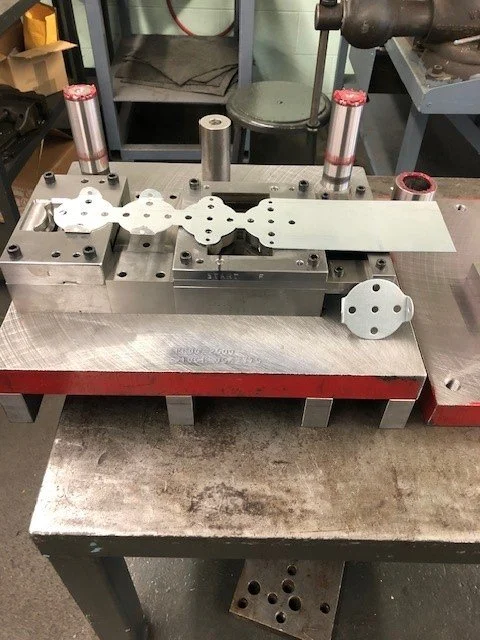
Western New York winters are legendary. Between lake-effect snow, sub-zero temperatures, and rapid weather swings, manufacturers in our region face environmental challenges that their counterparts in milder climates never consider. Yet production schedules don't pause for blizzards, and quality standards don't relax because it's cold outside.
At Barton Tool, we've navigated WNY winters for decades. We've learned through experience that temperature fluctuations, humidity changes, and severe weather can impact the precision of tooling and production operations. Understanding these challenges and preparing for them separates manufacturers who maintain consistent output from those who struggle through winter disruptions.
Temperature Fluctuations and Precision Tooling
Metal expands when heated and contracts when cooled. While this principle seems simple, its implications for precision manufacturing are profound. A die that holds perfect tolerances at 70°F may be out of specification at 50°F or 90°F.
Temperature swings in WNY can be dramatic. A cold front moves through overnight, dropping your shop temperature 15 degrees before the heating system catches up. Or a sunny December afternoon warms one side of your facility while the other stays cold. These variations affect your tooling dimensions, which in turn affect part quality.
Steel expands approximately 0.0000063 inches per inch per degree Fahrenheit. For a 12-inch die, a 20-degree temperature change means a dimensional shift of 0.0015 inches. That might not sound significant, but when you're holding tolerances of plus or minus 0.001 inches, it's the difference between good parts and scrap.
The solution starts with environmental control. Maintain consistent temperatures throughout your production area, especially near overhead doors, exterior walls, and loading docks. Use zone heating if necessary to eliminate cold spots. Monitor temperatures near critical equipment and tooling storage areas.
For ultra-precision work, consider climate-controlled tooling storage separate from the main production floor. Some manufacturers maintain dedicated rooms at controlled temperature and humidity specifically for precision dies and gauges.
Condensation: The Hidden Winter Threat
When cold tooling is introduced into a warm environment, condensation forms almost instantly. That moisture promotes corrosion, particularly on the precision surfaces that matter most for part quality. Even light surface rust can compromise dimensional accuracy and surface finish.
This problem becomes acute when tools are stored in unheated areas or transported from cold vehicles into warm facilities. The condensation forms before you can prevent it, and by the time you notice the problem, corrosion may have already begun.
Prevent condensation through careful temperature management. If tooling must move from cold to warm environments, allow gradual temperature equalization. Place tools in a transition area or wrapper to slow the warming process and prevent moisture from condensing on critical surfaces.
For tools stored during the winter months, apply appropriate rust-preventatives to all machined surfaces. Choose products suitable for your specific materials, and that won't interfere with subsequent use. Document protection methods so the next person handling the tool knows what was applied.
Use desiccants in tooling storage areas and transport containers. These inexpensive moisture absorbers provide an additional layer of protection against humidity-related issues. Replace them regularly as they become saturated, especially during winter, when temperature differences create a higher risk of condensation.
Humidity Control in Winter Manufacturing
Winter air is inherently dry, but heating it further reduces relative humidity. While this might seem beneficial for preventing rust, extremely low moisture levels create their own problems, including increased static electricity, material brittleness in some plastics, and worker discomfort.
Many WNY manufacturers find that winter humidity drops below 20 percent in production areas, sometimes falling into the single digits during cold snaps. This can affect dimensional stability in certain materials, increase dust accumulation, and create static discharge issues that damage sensitive electronic components.
Monitor humidity levels throughout your facility. Ideal relative humidity for most manufacturing operations falls between 40 and 60 percent. If winter conditions push you outside this range, consider humidification systems for critical production areas.
Pay particular attention to areas where plastics are stored or processed. Many engineering polymers are hygroscopic, and their moisture content changes with environmental humidity. This affects how they flow in molds and their dimensional stability after molding.
Tooling Storage During Winter
Dies, molds, and precision fixtures represent significant investments. Protecting them during storage becomes even more critical in winter when temperature and humidity fluctuations are most severe.
Store tooling in climate-controlled areas whenever possible. If heated storage isn't available, at a minimum, protect tools from direct exposure to cold and moisture. Ensure storage areas are dry, well-ventilated, and protected from the elements.
Clean tooling thoroughly before storage. Remove all residual materials, cutting fluids, and contaminants. These substances can trap moisture against metal surfaces, promoting corrosion even in relatively dry environments.
Apply appropriate preservatives to all machined surfaces. For short-term storage, light oil may suffice. For extended storage during the winter months, consider more robust corrosion-preventative measures. Document what products were used and when, so future users know what needs to be cleaned off before use.
Store tooling in positions that minimize stress and prevent sagging or distortion. Support large dies on level surfaces with appropriate blocking. Cover stored tooling to protect from dust and accidental damage, but ensure coverings don't trap moisture.
Material Considerations in Cold Weather
Different materials respond differently to temperature changes. Steel tooling is relatively stable, but aluminum components expand and contract at nearly twice the rate of steel. This matters when you have mixed-material tooling or when aluminum fixtures hold steel parts.
Some materials become more brittle at low temperatures. Impact resistance decreases, and components that would normally bend under stress might crack instead. This affects both tooling materials and the parts being manufactured.
For plastic injection molding, cold molds require longer cycle times as plastics don't flow as readily into cold cavities. Heating becomes more critical in winter, and maintaining consistent mold temperatures requires more energy and attention. Factor this into your winter production planning.
Cutting tools and tooling inserts may behave differently in cold conditions. Coolants might not flow as effectively. Chip evacuation can change. These subtle differences compound over production runs, potentially affecting surface finish and dimensional accuracy.
Maintaining Production During Snow Events
Lake-effect snow is a fact of life in Western New York. Major snow events can disrupt transportation, delay deliveries, and reduce the available workforce. Yet customer deadlines remain unchanged.
Successful winter operations require planning for inevitable weather disruptions. Maintain higher inventory levels of critical consumables during the winter months. This includes cutting tools, tooling components, lubricants, and packaging materials. What you can store on-site in November might be unavailable during a January blizzard.
Develop contingency plans for staffing during severe weather. Cross-train operators so that critical production can continue even with reduced crews. Identify which production runs are most vital and ensure those areas can remain operational.
Coordinate with local suppliers and service providers who can respond during weather events. This is where partnering with nearby shops like Barton Tool provides real operational advantages. We're dealing with the same weather you are, but we're also close enough to help when you need us.
Maintain backup power capability for critical operations. Even brief power interruptions during severe weather can disrupt temperature-sensitive processes or cost valuable production time. Evaluate which systems must remain operational during outages and ensure appropriate backup power is available.
The Value of Local Partnerships in Winter
When a die fails on a Thursday afternoon, and a blizzard is forecast for Friday, the location of your tooling partner suddenly becomes very important. Calling a supplier three states away doesn't help when roads are closed, and shipments are delayed.
Local tool and die shops understand WNY winter conditions because we face them ourselves. We've engineered solutions that account for temperature fluctuations, humidity changes, and the reality that getting to the facility can be a challenge. This shared experience translates into more practical, effective solutions.
Proximity enables rapid response when problems occur. Emergency repairs happen faster when the shop is 20 minutes away than when it's 2 states away. Design consultations are easier when you can meet face-to-face without worrying about flight delays. Prototype testing happens quickly when you can drive parts over rather than waiting for shipments.
Preventing Winter Quality Issues
Quality problems often appear gradually as winter progresses. Slight dimensional drift. Increasing scrap rates. Surface finish changes. These issues usually trace back to environmental factors affecting your tooling or processes.
Implement more frequent dimensional checks during the winter months. What you measure once per shift in summer might need verification twice per shift when temperatures fluctuate. Statistical process control becomes even more valuable for detecting subtle shifts before they become costly problems.
Calibrate measuring equipment more frequently in winter. Temperature affects gauges and measuring tools just as it affects production tooling. Ensure your quality department maintains appropriate environmental control for measurement activities.
Document environmental conditions when quality issues occur. Recording temperature, humidity, and weather conditions alongside quality data helps identify patterns and root causes. What seems like a random problem might turn out to correlate clearly with environmental factors once you track the data.
Heating Considerations for Tool and Die Shops
Maintaining appropriate temperatures in manufacturing environments presents challenges. High ceilings, frequent door openings, and heat loss through metal walls and roofs make heating expensive and sometimes ineffective.
Focus heating resources where they matter most. Production areas with precision work need better temperature control than general storage areas. Use zone heating to maintain consistent conditions in critical areas while allowing less critical spaces to run cooler.
Radiant heating often works better than forced-air heating in manufacturing spaces. It heats objects and people rather than air, making it more efficient in spaces with high ceilings or frequent door openings. Consider radiant systems for areas that struggle with conventional heating.
Insulate overhead doors and install high-speed doors where frequent access is required. The energy and temperature stability benefits typically justify the investment within a few winters. Weather stripping, door sweeps, and proper door maintenance prevent drafts and heat loss.
Planning Ahead for Winter Success
The manufacturers who thrive through WNY winters are those who prepare before the snow flies. Review your winter readiness now, while you still have time to address gaps. Check your heating systems, test backup power, verify tooling storage conditions, and ensure your team knows the protocols for severe weather.
At Barton Tool, we've built our operations around the reality of Western New York's climate. Our facility is designed for winter conditions, our processes account for temperature and humidity variables, and our team has the experience to help you navigate seasonal challenges.
Whether you need emergency tooling repairs during a blizzard, consultation on environmental control for precision work, or a local partner who understands what it means to manufacture through a WNY winter, we're here to help.
Ready for Winter Manufacturing?
Don't wait for the first major snowstorm to test your winter preparedness. Contact Barton Tool today at 716-665-2801 to discuss how we can support your operation through the cold months ahead. Our team is ready to help with tooling maintenance, emergency repairs, new tooling projects, and strategic planning for winter production.
Located at 1864 Lyndon Blvd in Falconer, NY, we're your local partner for precision manufacturing—no matter what the weather brings.