Year-End Manufacturing Checklist: Preparing Your Tooling and Equipment for 2026
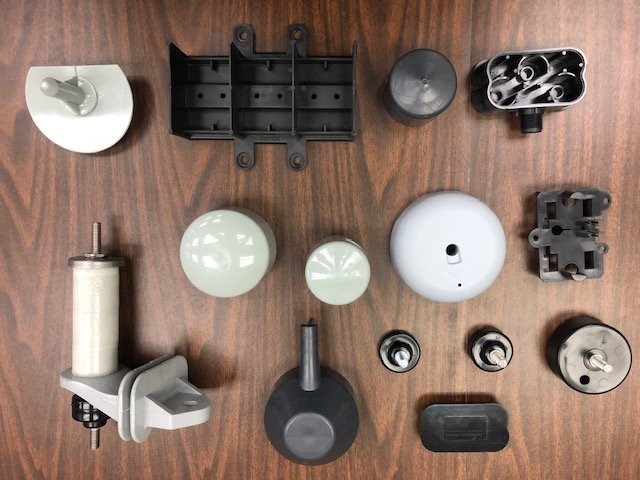
As 2025 draws to a close, manufacturers across Western New York are wrapping up production runs, reviewing annual performance, and planning for the year ahead. December presents a critical window of opportunity to assess your tooling, evaluate equipment performance, and position your operation for a strong start in 2026.
At Barton Tool, we've seen firsthand how proactive year-end planning separates thriving manufacturers from those scrambling to catch up in Q1. Whether you're running high-volume production or specialized custom work, taking time now to audit and optimize your tooling strategy pays dividends throughout the coming year.
Conduct a Comprehensive Tooling Audit
Before the calendar turns, walk through your facility and document the condition of every critical die, mold, and fixture. Look beyond surface-level assessments and examine wear patterns, dimensional accuracy, and overall performance metrics from the past year.
Pay special attention to tooling that showed signs of accelerated wear or required unexpected repairs in 2025. These are your red flags for replacement or refurbishment in early 2026. Document specific issues like surface degradation, misalignment, or reduced cycle efficiency. This data becomes invaluable when budgeting and planning with your tooling partner.
For high-use dies and molds, consider scheduling detailed inspections using CMM equipment or other precision measurement tools. Small deviations that seem minor today can compound into serious quality issues when production ramps up in January.
Prioritize Preventive Maintenance
The holiday slowdown offers an ideal opportunity to perform maintenance that's difficult to schedule during peak production periods. Create a prioritized list based on criticality to your operations and anticipated 2026 production schedules.
Focus maintenance efforts on tooling that will be essential for Q1 launches or high-volume runs. This includes thorough cleaning, lubrication of moving components, replacement of wear plates, and verification of all alignment and clearance specifications. Don't overlook secondary equipment, such as jigs, fixtures, and work-holding devices, that support your primary tooling.
If your internal team lacks capacity for comprehensive maintenance, partnering with a full-service tool and die shop ensures the work gets done right without pulling your staff away from other year-end priorities. Local partners like Barton Tool can often accommodate expedited maintenance schedules during the slower December period.
Evaluate Performance and Identify Replacements
Review production data from 2025 to identify underperforming tooling. Which dies consistently required adjustments? Which molds showed quality drift? Which fixtures caused bottlenecks or ergonomic issues?
Calculate the true cost of keeping marginal tooling in service, including increased cycle times, higher scrap rates, additional setup time, and maintenance labor. Often, the numbers clearly justify replacement, but this analysis needs to be completed before budgets for 2026 are finalized.
Create a replacement timeline that aligns with your production schedule. Ordering new tooling in December or early January ensures delivery before you need it, avoiding the costly scenario of emergency orders disrupting production runs.
Leverage Year-End Tax Benefits
Many manufacturers overlook the tax advantages available for capital equipment purchases made before December 31st. Section 179 deductions and bonus depreciation provisions can significantly reduce the effective cost of new tooling and equipment.
Consult with your financial advisor about your specific situation, but generally, purchasing and placing tooling into service before year-end allows you to deduct the full cost in 2025 rather than depreciating it over several years. This can make December the most cost-effective time to invest in that new die, mold, or piece of equipment you've been considering.
Coordinate with your tooling partner early in December to ensure delivery and installation can happen within the required timeframe. Rush orders are possible, but planning ahead gives you more options and better pricing.
Organize Documentation and Inventory
Accurate tooling records save time and money throughout the year. Use December to update your tooling database with current locations, maintenance histories, and condition assessments. Photograph each major die and mold, documenting any modifications or repairs made during 2025.
Implement or refine your numbering and tracking system so every tool can be quickly located and its history accessed. This becomes especially important as operations scale or when new team members join your organization.
Review your spare parts inventory for critical tooling components. Stock up on commonly replaced items like springs, pins, bushings, and wear plates. Having these items on hand prevents minor issues from becoming major delays in 2026.
Set Production Goals and Capacity Planning
With 2025 data in hand, forecast your 2026 production requirements and evaluate whether your current tooling capacity aligns with projected demand. Consider both volume increases and new product introductions that may require additional dies or molds.
Identify potential bottlenecks early. If certain tooling will be running at or near capacity, explore options for backup tooling, process improvements, or capacity expansions. It's far better to address these constraints now than to face them during a critical production run.
Work with your sales and engineering teams to understand the pipeline for new projects. Lead times for complex tooling can extend several months, so beginning the design and quoting process in December positions you to have new tooling ready when you need it.
Plan Strategic Partnerships
Review your relationships with tooling vendors and service providers. Are your current partners meeting your quality, responsiveness, and technical capability needs? Are there gaps in their offerings that require you to manage multiple vendors?
Consider the advantages of consolidating tooling work with a full-service partner that handles design, fabrication, maintenance, and repairs under one roof. Local partnerships offer additional benefits in Western New York, including faster response times, easier communication, and a better understanding of regional manufacturing challenges.
Schedule planning meetings with key partners in early January to align on upcoming projects, establish capacity commitments, and negotiate favorable terms for anticipated work. These relationships take time to build, but they become invaluable when you need priority service or creative problem-solving.
Budget for Continuous Improvement
Set aside a dedicated budget for tooling improvements beyond just maintenance and replacement. This might include upgrading to more durable materials, adding automation features, implementing quick-change systems, or enhancing cooling efficiency.
These investments often deliver substantial returns through reduced cycle times, improved part quality, lower scrap rates, and decreased maintenance requirements. Document the business case for each improvement project to prioritize based on expected ROI.
The Barton Tool Advantage for 2026
At Barton Tool, we understand the unique challenges Western New York manufacturers face. Our comprehensive capabilities in tool and die fabrication, precision CNC machining, CAD/CAM design, and injection molding allow us to serve as your single-source partner for all tooling needs.
Our location in Falconer means we're nearby when you need us, whether for emergency repairs, design consultations, or routine maintenance. We've invested in the latest technology and continue to expand our capabilities to meet evolving industry demands.
As you plan for 2026, we invite you to discuss how Barton Tool can support your tooling strategy. From designing and building new dies to refurbishing existing tooling to providing ongoing maintenance support, we're committed to helping WNY manufacturers succeed.
Start 2026 Strong
The manufacturers who thrive in the coming year will be those who use December wisely. Take time now to assess, plan, and invest in your tooling infrastructure. The effort you put in during these final weeks of 2025 will pay dividends throughout 2026 and beyond.
Need assistance with your year-end tooling assessment or want to discuss 2026 projects? Contact Barton Tool today at 716-665-2801 or visit our facility at 1864 Lyndon Blvd in Falconer, NY. Let's work together to make 2026 your best year yet.